
Understanding the psychology of casino players What drives their decisions
The allure of risk and reward
Casino players are often drawn to the thrilling prospect of risk and reward. The very nature of gambling creates an environment where the potential for significant financial gain can overshadow the risks involved. This dichotomy appeals to human psychology, as many individuals are naturally inclined to seek out excitement and the possibility of success. The anticipation that accompanies placing a bet or spinning a slot machine generates adrenaline, which can lead to a euphoric state of mind. Additionally, for those looking to explore more, the new online casino options provide an enticing avenue for many players.

This rush can create a feedback loop, where the initial thrill motivates players to continue gambling in hopes of recapturing that high. Understanding this psychological response is crucial for recognizing the dynamics at play in a casino environment. Players often convince themselves that their chances of winning are greater than they truly are, leading to decisions driven by emotion rather than logic.
Social influences on gambling behavior
Another significant factor influencing casino players is the social aspect of gambling. Many individuals visit casinos not just for the games, but for the communal experience they offer. Interactions with other players, the atmosphere of excitement, and the sense of belonging can enhance the enjoyment of gambling. This social element can drive people to make decisions they might not consider if they were playing alone.
Moreover, peer pressure and the desire to fit in can encourage gambling behavior. Players may feel compelled to participate in games or bet more than they typically would due to the influence of friends or family. This social dynamic can create a reinforcing cycle, where the more one engages in gambling activities with others, the more ingrained the behavior becomes.
The role of cognitive biases
Cognitive biases play a significant role in the decision-making processes of casino players. Common biases such as the illusion of control and confirmation bias can lead players to believe that they can influence the outcome of random games. For instance, a player may think they have a “lucky” betting strategy or that they can predict outcomes based on previous results, despite the inherent randomness of the games.
These misconceptions can skew a player’s judgment, encouraging them to take risks they might otherwise avoid. The tendency to remember wins more than losses can further reinforce these biases, creating a false sense of confidence that perpetuates gambling behavior. Understanding these cognitive factors is essential for both players and operators aiming to promote responsible gambling.
The impact of environment on decision-making
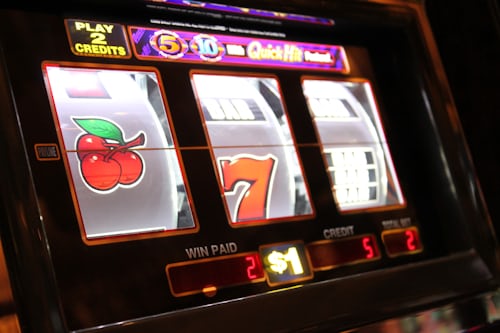
The physical and sensory environment of a casino can also greatly impact player decisions. Casinos are designed to be enticing, often featuring bright lights, engaging sounds, and strategically placed gaming machines. This carefully crafted environment is meant to capture the attention of players and keep them engaged for longer periods. The sensory overload can lead to impulsive decision-making, as players may become overwhelmed by the immediate stimuli around them.
Additionally, the layout of a casino can influence gambling habits. Easy access to games, along with the proximity to alcohol and food, can create a setting where players lose track of time and money. Understanding how these environmental factors interact with player psychology can help casinos create a more responsible gaming atmosphere.
Exploring responsible gambling resources
As the gambling landscape evolves, it is essential for players to understand their habits and the psychology behind them. Websites dedicated to responsible gambling offer valuable resources and insights into how to engage with casinos in a safe and informed manner. These platforms provide information on managing gambling habits, recognizing warning signs, and understanding the risks involved.
By promoting awareness and education, these resources empower players to make informed decisions, ensuring that their gaming experiences are both enjoyable and responsible. Whether you are a seasoned player or a newcomer, understanding the psychological factors at play can help you navigate the world of casinos with greater awareness and control.